 One Turn
Israel's opposition seeks Arab-party support to unseat Netanyahu
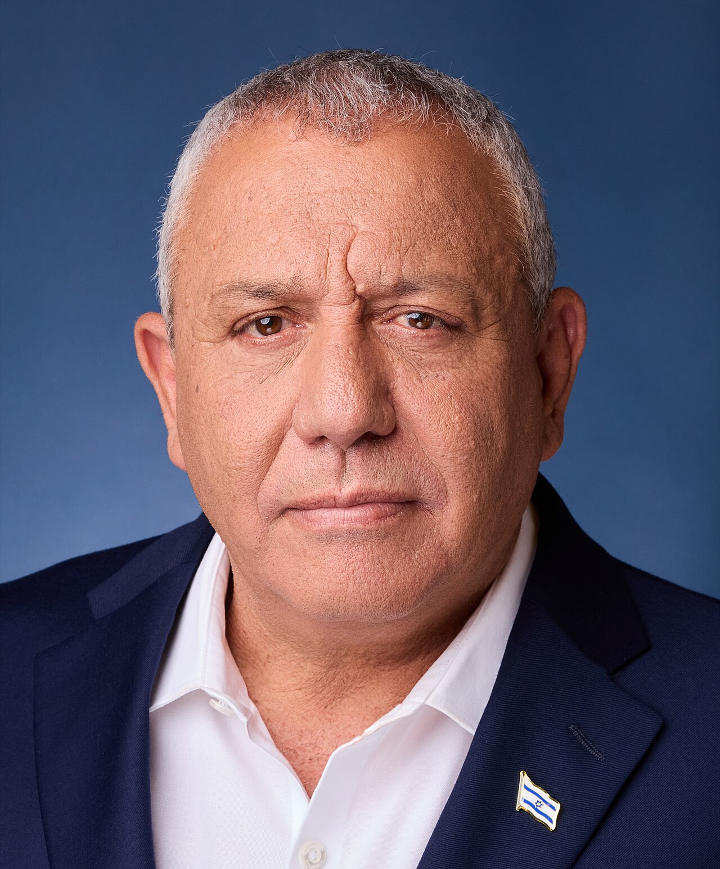
Opposition leader Gadi Eisenkot gained backing from Arab-led parties, which hold 19 seats, in the effort to form a government. A coalition needs 61 of 120 seats. President Herzog faces a key choice. Failure to form a government could leave Netanyahu in power.
Why it matters
The outcome decides who leads Israel during the regional war.
Background
Israel voted Oct. 27 with no clear winner. Arab-led parties rarely join coalitions.
The story so far
- Trump endorses Netanyahu as Gantz quits Israel's election race
- Vance declines to endorse Netanyahu as Trump backs him before vote
- Israel heads into close election on Tuesday
- Netanyahu warns Iran may try to disrupt Israel's Tuesday election
- Israel votes Tuesday as Netanyahu and Eisenkot run close
- Israel election ends in near tie; Arab parties project record gains
- Israel election count shows no majority for Netanyahu or Eisenkot
- Israel's final results leave no majority; Netanyahu's party claims election 'stolen'
- Israel's election leaves no clear winner
- Israel's election leaves Netanyahu bloc short of a majority
- Israeli opposition begins coalition talks after deadlocked vote
- Israel's coalition talks begin after deadlocked election
- Israel opposition rallies behind Eisenkot after deadlocked vote
- Eisenkot backed by 67 lawmakers to form Israeli government
- Israeli president to name government-forming candidate
- Israel's opposition seeks Arab-party support to unseat Netanyahu
- Israel's president asks Eisenkot to form government
- Eisenkot tasked with forming Israeli government
- Israel's new parliament sworn in as coalition talks stall
- Israel's new Knesset opens as Eisenkot seeks to form government
Sources
- Al Jazeera ↗Nov 7, 12:16 AM ET
- NPR ↗Nov 6, 3:42 PM ET
- El País ↗Nov 6, 11:30 PM ET
This summary was written automatically from the reporting linked above; follow the sources for the full story. How One Turn works.