Space · October 25, 2026
What is a sunspot? A guide to today's Sun
Dark patches on the Sun can be bigger than Earth. Here is what they are, and why they matter down here.
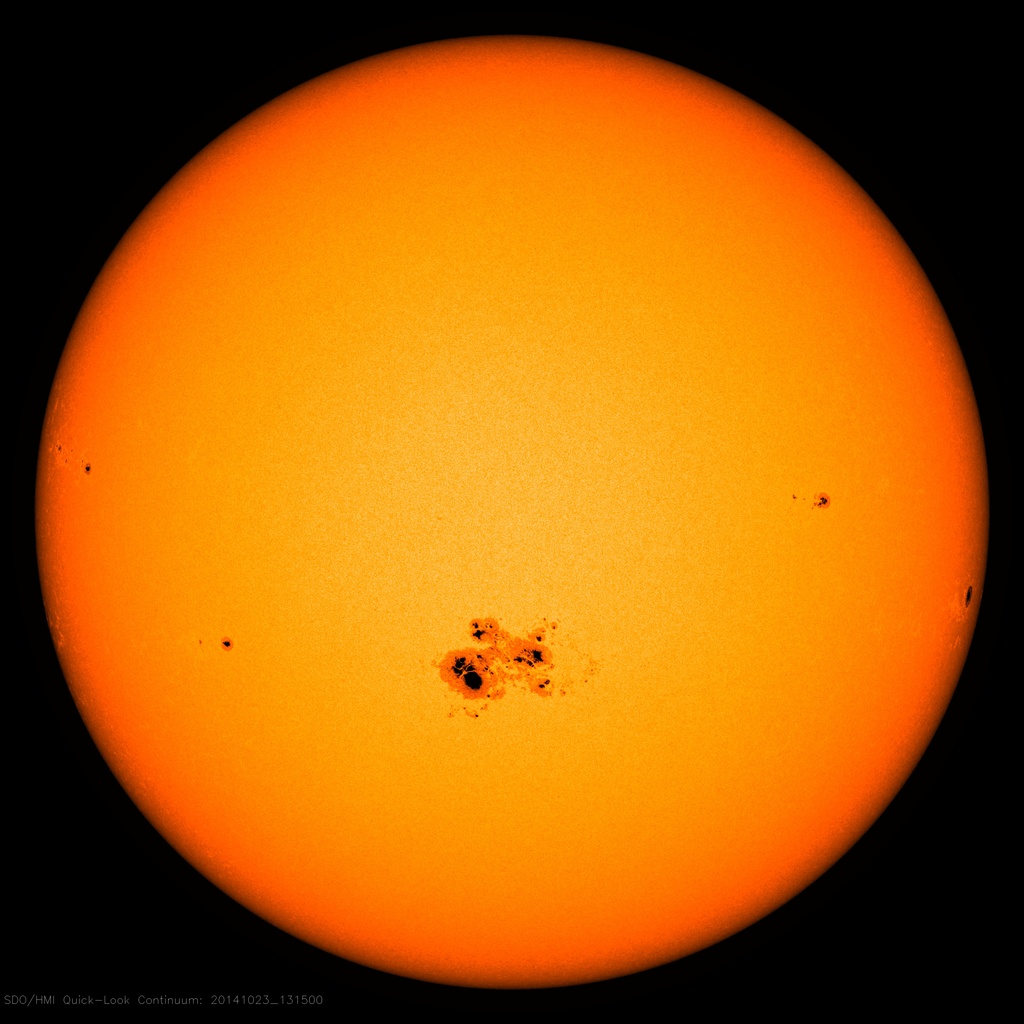
On One Turn you can fly to the Sun and see its real sunspots, taken from NASA's latest picture. But what are you looking at?
Cooler, not empty
A sunspot is an area of the Sun's surface that is cooler than its surroundings: about 3,500 °C (6,300 °F) against about 5,500 °C (9,900 °F). It looks dark only by comparison. Strong magnetic fields there hold back the heat rising from inside the Sun. Large groups can be several times wider than Earth.
An 11-year rhythm
The number of sunspots rises and falls over a cycle of about 11 years. In October 2024, NASA and NOAA announced that the Sun had reached the solar maximum period of its current cycle, known as Solar Cycle 25, when sunspots are most common.
Why they matter on Earth
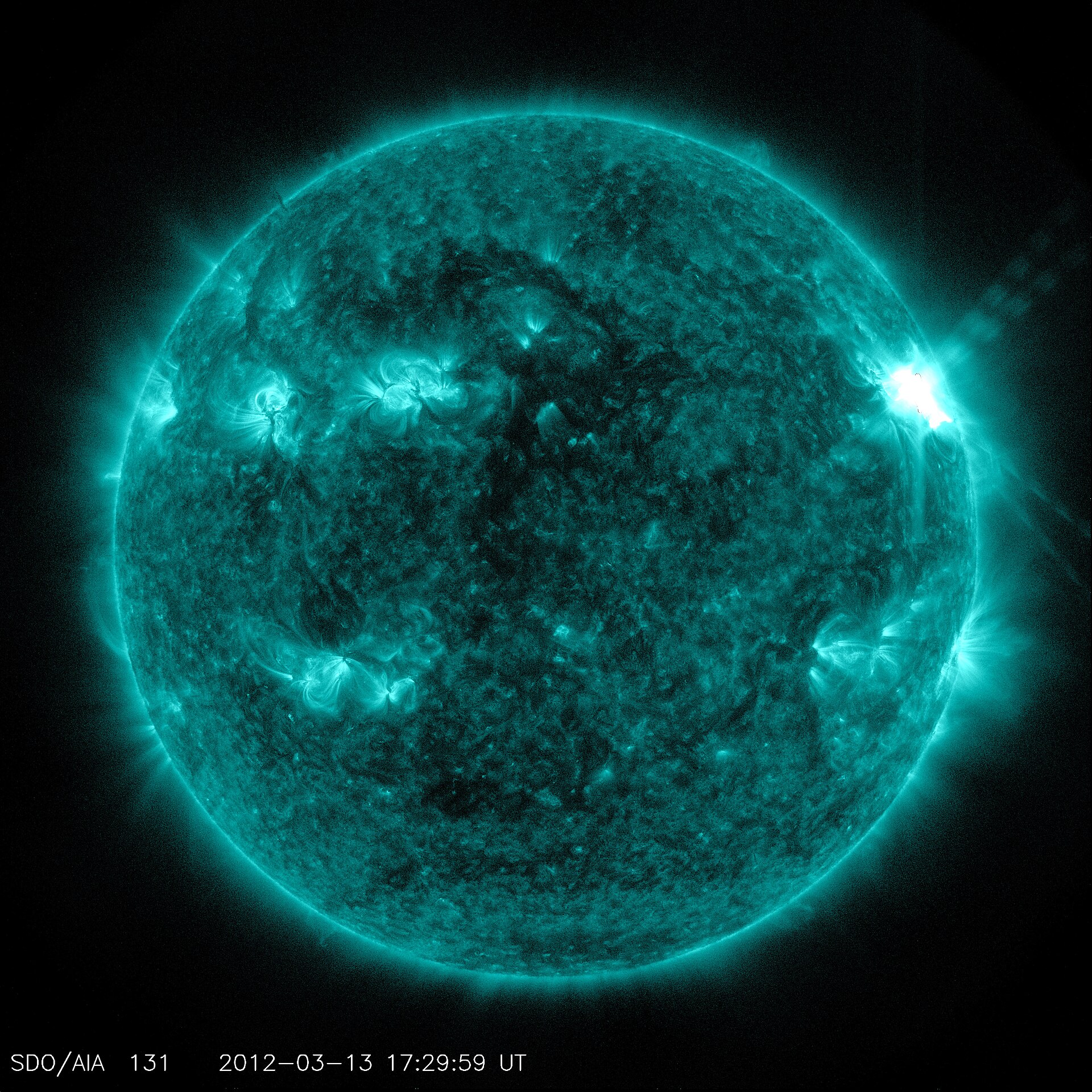
Big, tangled sunspot groups are where most solar flares and eruptions start. Flares are rated by class, from A, B and C (small) to M and X (strongest). A strong eruption aimed at Earth can:
- disrupt radio and GPS signals
- strain power grids and satellites
- push the northern and southern lights much farther from the poles than usual
See it yourself
Open the Space tab and choose The Sun. The marker on the biggest sunspot group tells you how many Earths across it is, and the Space weather card shows NOAA's latest numbers and where auroras may be visible tonight.
Written by One Turn for One Turn. Unlike the daily summaries, articles are written by a person.