 One Turn
Society · October 30, 2026
The world's news in 17 languages
Most English-language news about the world is written by people who read English. One Turn reads the local press too. Here is why that changes what you see.
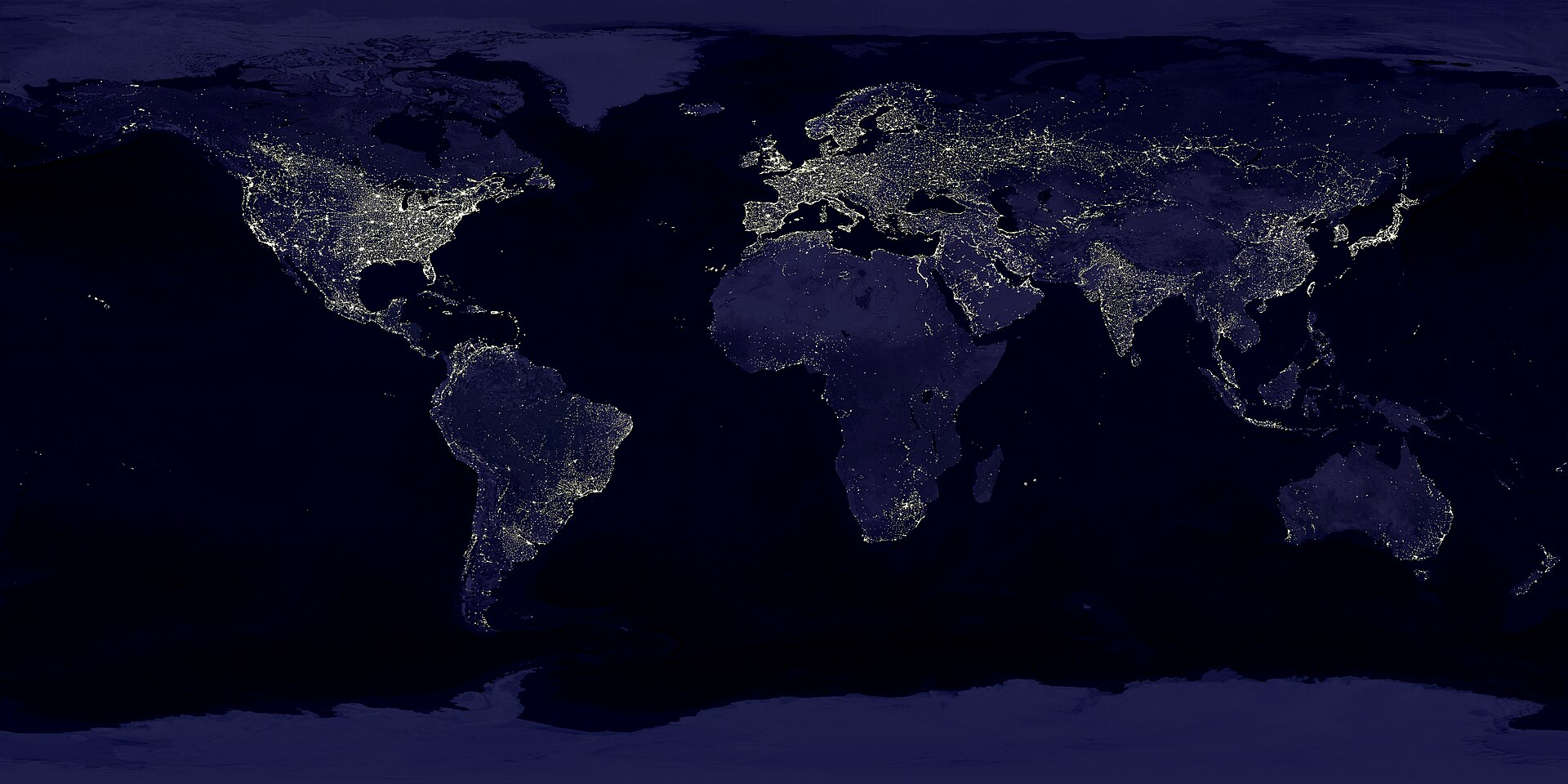
If you only read news in English, you see the world through a particular window. It is a big window, and a good one. But it faces one way.
One Turn reads the day's headlines in 17 languages: English, Spanish, Portuguese, French, German, Italian, Arabic, Russian, Japanese, Korean, Hindi, Urdu, Persian, Swahili, Turkish, Chinese and Indonesian. The AI editor reads each in the original and writes everything in English. This is what that adds.
The story the English press skipped
Some of the day's most important stories never reach the English-language wires, or reach them a day late and a paragraph long. A strike in São Paulo is front-page news in Folha de S.Paulo and a footnote abroad. A court ruling in Ankara leads BBC Türkçe and may not appear in the BBC's English service at all.
When those headlines are in the mix, they compete for a place on the globe on their merits. An edition built from English sources alone would have Europe and North America in sharp focus and most of the rest of the world as a blur. The point of a globe is that it has no edges.
The same event, seen from both sides
The bigger change is not the stories you would otherwise miss. It is the stories you would otherwise see from one side only.
A border dispute reported by El País and by the Moroccan press. A trade decision reported by Yonhap in Seoul and by Asahi Shimbun in Tokyo. A war reported by Al Jazeera Arabic, Meduza in Russian and Le Monde in French. Each outlet has its own readers, its own government to answer to or argue with, and its own idea of which detail matters.
The editor's instructions are strict about this: use outlets for facts, not for framing, and when they differ, choose the plainest words. A story that only one side's press carries is marked by the outlet count. A story that both sides carry, with the same core facts, is as close as a daily news service gets to solid ground.
What changes in translation
Translation is not just swapping words. Three things come up every day.
Names. The same person, place or law has different names in different languages, and sometimes those names are the argument. The editor is told to use the usual English name and to describe groups by what they are, not by what their opponents call them.
Counting. A story reported in Madrid, Cairo and Tokyo is one story, not three. The editor merges them and counts every outlet, so the globe shows how widely something was reported, not how many languages it happened to be reported in.
Quotes. A quote is translated and marked as such. It is a good reason to click through to the source: a translated quote is a reading, and the original is the fact.
Who is on the list
The non-English feeds currently read for every edition:
- Spanish: El País, La Nación
- Portuguese: Folha de S.Paulo
- French: Le Monde, Le Figaro
- German: Tagesschau, NZZ
- Italian: ANSA
- Arabic: Al Jazeera Arabic, Asharq Al-Awsat
- Russian: Meduza
- Japanese: Asahi Shimbun
- Korean: Yonhap
- Hindi, Urdu, Persian, Swahili, Turkish, Chinese and Indonesian: the BBC's language services
Each brings its newest dozen headlines, so the list widens the picture without swamping it. The BBC's services are counted as one outlet, so a story they all carry is not treated as widely reported by the BBC alone.
Why it is still not enough
Seventeen languages is a start, not a finish. There is no Bengali, no Vietnamese, no Amharic, no Hausa, and the Chinese feed is one outlet's view of a very large country. Every language added makes the globe a little more honest. If you know a feed that should be here, the About page says how to tell us.
Written by One Turn for One Turn. Unlike the daily summaries, articles are written by a person.