 One Turn
Day report · Monday, November 2, 2026
Ukraine Aid Center Bombed; US Votes Tomorrow
Russian bombs killed at least 26 people at an aid center in southern Ukraine. The US Supreme Court rejected a bid to set aside 20,000 California ballots, a day before midterm elections.
Russian aerial bombs hit an aid distribution center and shelter in the village of Komyshuvakha, in Ukraine's Zaporizhzhia region, on Monday. Ukrainian officials say at least 26 people died, up from an earlier count of 24. They said at least nine 3,000 kg bombs were used. President Zelenskyy called the attack "utterly horrific" and said it shows Russia does not want de-escalation.
The strike on the aid center ended the longest truce of the war. Both sides have accused each other of attacking civilians.
In the United States, midterm elections open Tuesday. Voters will choose all House seats, about a third of the Senate and 36 governors. President Trump ended his campaign at the Lincoln Memorial Reflecting Pool. A Reuters/Ipsos poll put his approval at 32 percent. Polls suggest Democrats may win the House and possibly the Senate.
On Monday the Supreme Court refused an emergency request from the Trump administration. The Justice Department had asked it to make California set aside more than 20,000 mail ballots. It claims those voters are not citizens. California officials dispute this.
Iran and the Gulf
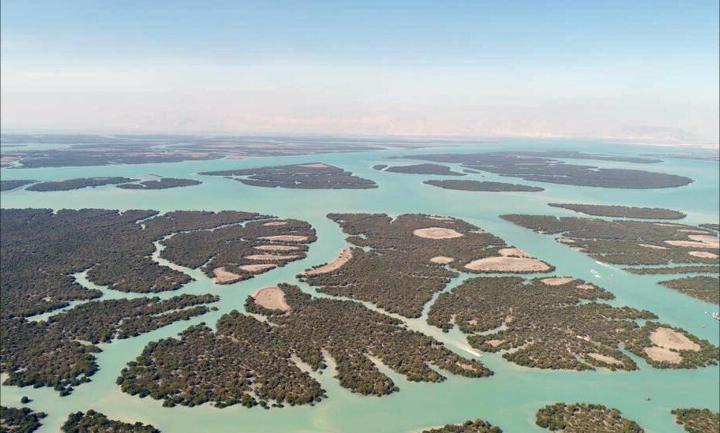
Iran said it can reopen the Strait of Hormuz within two days if the US accepts its terms. Talks in Doha continue, with Qatar mediating. Trump said a deal "could happen". Iran says the US must first lift its naval blockade. Iran's leader, Mojtaba Khamenei, gave the government powers to hold talks.
The Wall Street Journal reported that the US struck Qeshm Island in southern Iran. Residents reported blasts overnight. The paper said the strikes were small and kept quiet to avoid signaling a return to full war.
Shipping remains at risk. The maritime security agency UKMTO said a ship was hit by two projectiles in Gulf waters on Sunday. The attack was hundreds of miles from the strait. Attacks on ships may be more numerous than the official count.
War in Ukraine
The six-day truce around Kherson ended, and fighting returned. Hundreds of civilians left the occupied city of Oleshky during the pause. The World Food Programme fed more than 400 evacuees.
Ukraine hit Russian energy sites. A major oil hub in Russia's Volga region appears to have caught fire, Bloomberg reported, citing NASA satellite fire data. Three refineries have been hit since Friday.
Both countries also reported hacks of emergency alert apps. The apps sent false warnings of nuclear and chemical attacks. Zelenskyy confirmed Ukraine hacked back at Russia's system. Many Ukrainians doubted the messages.
Diplomacy is also planned. Envoy Steve Witkoff said the US will mediate talks in Abu Dhabi on Nov. 10 and 11. They will cover post-war security and de-escalation. Separately, about 2,800 troops from 10 countries will join a European exercise in Poland from Nov. 9 to 22. Britain and France lead the force. Officials stress it would not take part in offensive operations.
Cyberattacks and hacks
Fridges and freezers at dozens of shops across seven European countries overheated overnight. Temperatures rose as high as 50C. Danish maker Danfoss said its products were involved. The EU called it a deliberate attempt to disrupt the food supply. A similar attack hit French supermarkets weeks ago. No group has claimed either one.
North Korea denied stealing about $6.3 billion from the crypto exchange Binance. Kim Yo Jong called the US claim a grave provocation. The FBI blamed the Lazarus Group. Binance users have withdrawn at least $3.6 billion since withdrawals resumed.
Israel and the West Bank
Israel's election on Oct. 27 left no winner. Netanyahu's camp won 53 seats and Eisenkot's bloc 48. President Herzog opened coalition talks.
In Gaza, Israeli strikes killed at least eight people. Five were police officers in Rafah. Israel said it struck militants. Israel and Hamas accuse each other of violating the truce.
Israeli forces withdrew from areas around Hebron, ending a lockdown of about 10 days. The operation followed the killing of two Israeli soldiers at a checkpoint.
Unrest across Europe
German unions began strikes over living costs. Chancellor Merz promised zero tolerance for vandalism at youth protests.
In France, dozens of high schools were blocked by pupils. A union plans a nationwide strike Thursday. The minister warned that exams are at risk.
Belgium's prime minister offered his resignation after budget talks collapsed. The king has not said whether he will accept it.
The economy
Oil fell more than 7% on Monday after Trump said a deal with Iran could happen. Brent crude ended near $104.74. Lower oil eases pressure on fuel and airfares.
Stocks were cautious before the midterms. The S&P 500 slipped 0.51%, and Chinese stocks fell 1.48%. India's Sensex rose 1.66%. Ryanair warned fares could rise up to 20% if fuel costs stay high.
What went right
The US FDA approved the first generic twice-yearly HIV prevention shot. It is expected to cost about $40 a year in 120 low- and middle-income countries.
In Britain, the home secretary softened a settlement plan. Care workers can seek permanent residence after five years. About 280,000 people and dependants could qualify.
Researchers found long-lived blood stem cells in a deep-sleep state in Heidelberg. They may act as a reserve for blood renewal over a lifetime.
This report was written from One Turn's edition of November 2, 2026: 78 stories chosen from 850 headlines. Read every story of the day, each with its sources, or see the day on the globe.
Written automatically by One Turn from its edition of Monday, November 2, 2026, which summarized the day's reporting from outlets around the world. Like the summaries, it can contain mistakes; every story in the edition links to its sources.